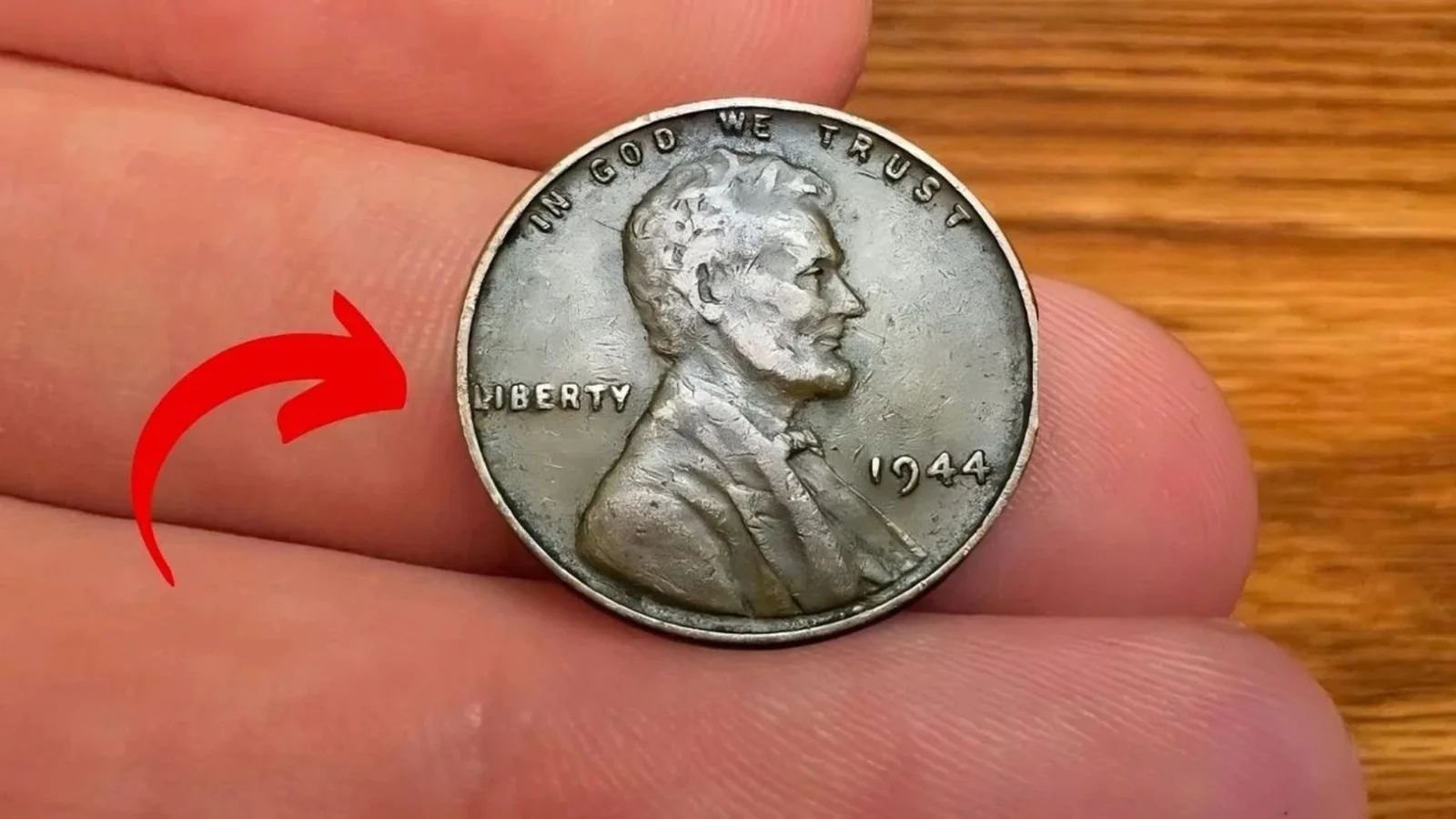

Have you ever tossed a penny aside, thinking it was worthless? What if that very coin could fetch you up to $46 million? It sounds unbelievable, but this is the allure of the Lincoln Wheat Penny—a humble American coin minted between 1909 and 1958 that holds an incredible legacy. Hidden among these ordinary-looking coins are rare variants that have captivated collectors, made headlines, and changed lives. In this detailed guide, we’ll explore the rich history of the Lincoln Wheat Penny, the rarest editions, why they’re so valuable, and how you can determine if you’ve got one hiding in your change
What Exactly Is the Lincoln Wheat Penny?
The Lincoln Wheat Penny is a one-cent coin that was first issued in 1909 by the United States Mint to commemorate the 100th anniversary of President Abraham Lincoln’s birth. This marked a turning point in U.S. coinage, as it was the first time a real person—rather than symbolic figures like Lady Liberty—was featured on a U.S. coin. Victor David Brenner designed the coin, placing Lincoln’s profile on the front and a pair of wheat stalks flanking the words “ONE CENT” on the reverse, hence the nickname “Wheat Penny.”
These coins were minted until 1958 and circulated widely. Most are worth only a cent or a few pennies today. However, a select few have become prized possessions in the numismatic world, with values soaring into the millions due to errors, rarity, and pristine condition.
Why Is the Lincoln Wheat Penny So Special?
While the majority of these coins are common, certain Lincoln Wheat Pennies are extraordinary. What makes them stand out? A combination of factors:
- Historical context: These coins span decades of American history, including both World Wars and the Great Depression.
- Minting errors: Mistakes during production led to unique coins that collectors go wild for.
- Low mintage: Some editions were made in such small numbers that they’ve become rare finds.
- Perfect condition: Coins in uncirculated, near-mint, or mint state are exponentially more valuable.
One version, in particular, has earned legendary status: the 1943 Bronze Lincoln Wheat Penny.
Why Is the 1943 Bronze Penny Reportedly Worth $46 Million?
During World War II, the U.S. government decided to preserve copper for war-related manufacturing. So in 1943, the Mint struck pennies using zinc-coated steel instead of the usual bronze alloy. However, a few bronze planchets from 1942 were mistakenly used to mint a very limited number of 1943 Lincoln Wheat Pennies.
Only a handful of these bronze 1943 pennies are known to exist, and their rarity has made them some of the most desirable coins in the world. While the highest confirmed sale is $1.7 million in 2010, rumors and speculative valuations have placed the worth of some specimens as high as $46 million. This staggering figure may be anecdotal, but it illustrates the coin’s mythical status.
What Makes the 1943 Bronze Lincoln Wheat Penny So Valuable?
- Extreme rarity: Fewer than 10 genuine examples are believed to exist.
- Mint error: The bronze alloy used instead of steel makes it a significant mistake.
- Wartime production: Being tied to WWII adds historical and emotional weight.
- Condition: High-grade, uncirculated versions drive the price even higher.
Can You Still Find a 1943 Bronze Lincoln Wheat Penny Today?
Surprisingly, yes! Despite their rarity, a few 1943 bronze Lincoln Wheat Pennies are still believed to be in circulation or tucked away in old coin jars and collections. Some have been found in:
- Family coin jars
- Bank rolls
- Estate sales
- Attic storage
- Pocket change
It’s possible that someone unknowingly spends a rare penny, making every Lincoln Wheat Penny worth a second glance.
How To Identify a Valuable Lincoln Wheat Penny
If you’re wondering whether you have a rare coin in your possession, follow these steps:
Step 1: Examine the Date
Look at the year stamped on the coin. Rare and valuable Lincoln Wheat Penny years include:
- 1909-S VDB
- 1914-D
- 1922 No D
- 1943 Bronze
- 1955 Doubled Die
Step 2: Test the Metal
Most 1943 pennies are made of steel. A rare 1943 bronze penny will not be magnetic and will weigh about 3.11 grams. You can use a magnet and a coin scale to check.
Step 3: Check the Mint Mark
Beneath the date is a mint mark:
- “D” stands for Denver
- “S” is for San Francisco
- No letter means it was made in Philadelphia
The 1943-D bronze Lincoln Wheat Penny is considered the rarest and most valuable.
Step 4: Look for Errors
Some valuable Lincoln Wheat Pennies have striking or printing errors, such as doubled lettering or missing mint marks. These are highly collectible.
Step 5: Evaluate the Condition
A coin in pristine, uncirculated condition can be worth significantly more than one that’s scratched or worn. But never clean your coin—doing so reduces its value.
What to Do If You Think You Found a Rare Lincoln Wheat Penny
- Don’t Clean the Coin: Cleaning may damage the surface and drastically reduce its value.
- Store It Safely: Use a coin holder or case to protect it from scratches or exposure.
- Get It Graded: Have the coin authenticated and graded by a professional service like PCGS or NGC.
- Seek Expert Advice: Consult a numismatic expert or dealer to understand its market value.
- Sell Carefully: If verified as rare, consider reputable auction houses or coin dealers to get the best price.
Other Valuable Lincoln Wheat Pennies to Watch For
While the 1943 bronze penny gets all the attention, other Lincoln Wheat Pennies are also worth significant money:
- 1909-S VDB: Only 484,000 were minted and are highly sought after. Value: Up to $100,000.
- 1955 Doubled Die: Features a visible doubling of the date and lettering. Value: $1,000 to $50,000.
- 1914-D: A low-mintage year from Denver. Value: Up to $10,000 in good condition.
- 1922 No D: Missing mint mark due to a worn die. Another collector favorite.
Famous Finds That Sparked National Attention
- School Cafeteria Discovery: In the 1940s, a student found a rare 1943 bronze penny in lunch change.
- Inherited Jar Jackpot: A Massachusetts man inherited a coin jar from his grandfather containing a 1909-S VDB.
- Estate Auction Windfall: A rare 1955 Doubled Die penny discovered in an old drawer sold for tens of thousands.
These stories continue to fuel the excitement around Lincoln Wheat Pennies, inspiring collectors new and old.
How to Start Your Own Lincoln Wheat Penny Collection
Collecting these pennies is not only potentially lucrative but also deeply educational and enjoyable. Here’s how to start:
- Begin With a Whitman Coin Folder: Helps you organize by year and mint mark.
- Learn Key Dates: Study which years and errors are most valuable.
- Visit Coin Shops and Shows: A great way to learn and connect with fellow enthusiasts.
- Join Numismatic Communities: Forums and online groups are invaluable for tips and knowledge.
- Set a Budget: You can start collecting without spending a fortune.
Preserving and Growing the Value of Your Collection
To protect your Lincoln Wheat Penny collection:
- Store coins in acid-free holders
- Avoid touching the coin surfaces
- Keep them in a cool, dry place
Conclusion: A Penny Saved Might Be a Fortune Earned
The Lincoln Wheat Penny is far more than just small change. It’s a symbol of American history, a testament to minting artistry, and, in rare cases, a life-changing financial asset. Whether it’s the $46 million 1943 bronze penny or another rare edition, these coins hold stories and secrets worth uncovering.
By simply checking your pocket change or rummaging through an old coin jar, you could stumble upon a treasure. With knowledge, patience, and a bit of luck, the next Lincoln Wheat Penny you find might just rewrite your story—and your bank balance.
Some Important Link
| Telegram Group | Click Here |
| WhatsApp Group | Click Here |
| Home Page | Click Here |